
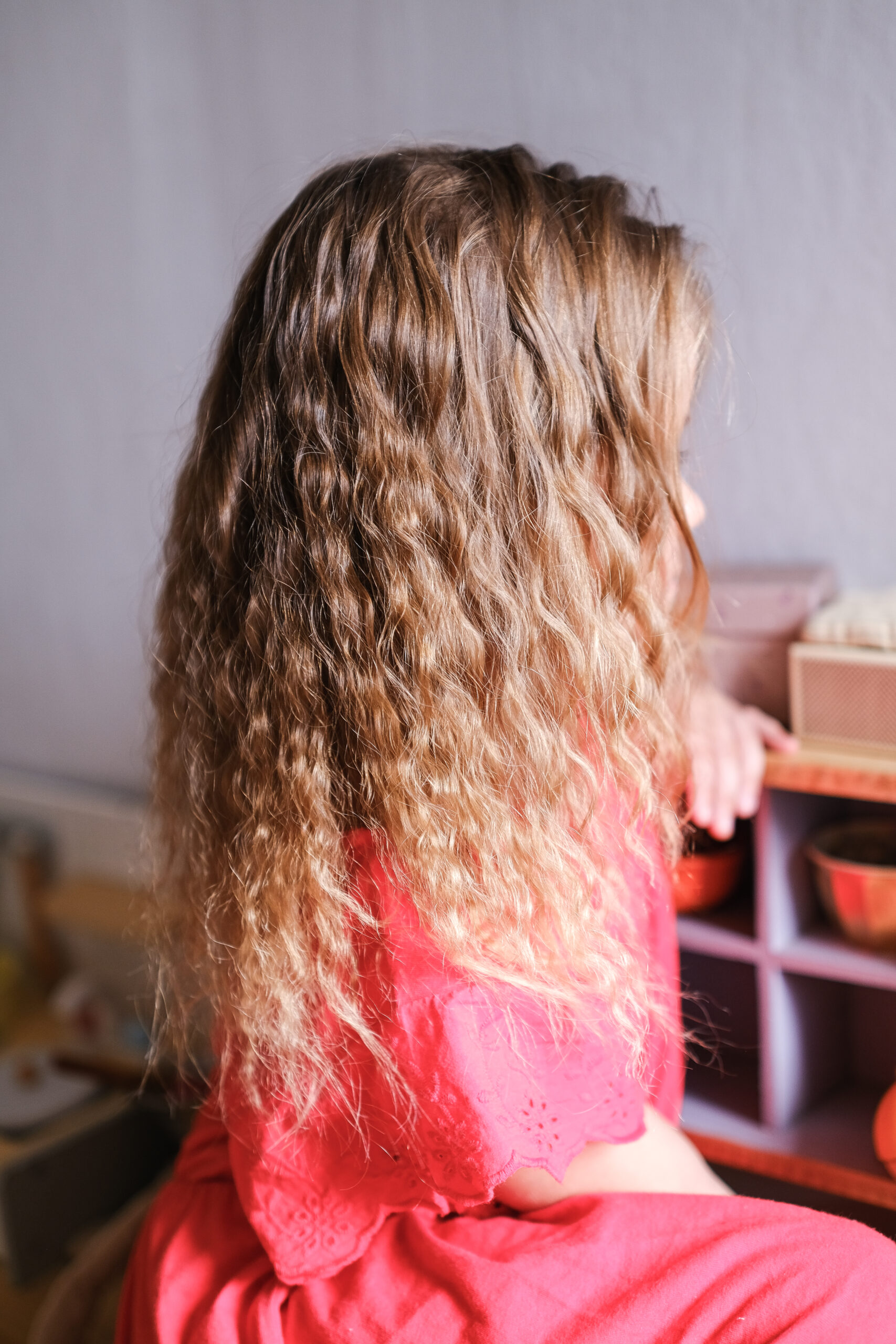
I find hair care routines difficult. I've tried a lot of different things to get my hair to behave the way it used to when I was using conventional products.
I used Sebastian salon products when I worked as a stylist — they were very expensive and full of junk. Even though my hair looked nice with them, it was kind of like I was just covering up the problem.
All that silicone I poured into my hair back in the 2000s — completely unaware of the consequences — made it impossible to tell how my hair was really doing. But then, as a stylist myself, I developed an allergy to the products I used to style other people's hair. So it became kind of impossible to keep going — I actually stopped working with hair and makeup after a good decade in the industry.
Once I could no longer tolerate conventional products, I had to find something else to put in my hair. For several years, I used John Masters Organics and similar brands, but they didn't work as well as I'd hoped — even though they cost a fortune. So over time, I decided to find a solution on my own. I'd already worked with soap production as a teenager in a store in London, so how hard could it be to make something my hair would actually enjoy being washed with?
In short, “VERY HARD”!
It's been over 10 years since I decided to do this. I've really tried a lot of different things—many of which didn't work in the long run, and very few that did.
Before we returned to the U.S. last year, I had been washing our hair — my daughter's and my own — with a soapnut and shikakai shampoo solution for several months. I'd generally been pretty happy with it, even though I wasn't a huge fan of the smell or the slight itchiness I felt on my scalp. It was also hard to find good soapnuts in the U.S., so after a few months there, I decided to go back to buying so-called organic shampoo. Which didn't go particularly well. When we came home from our 9-month trip, I had split ends for the first time in five years. It was really a letdown.
So I was thinking: what can I do to find a solution that fits our very nomadic lifestyle? A solution where I might not always be able to get my hands on soap nuts or similar products, or where I don't have the option of boiling soap nuts for hours, installing a water filter, and so on.
So when we got home, I thought I'd try making some liquid shampoo myself — an idea based purely on convenience, of course, because even though I enjoy making things from scratch, that doesn't mean I'm okay with greasy hair.
I always need a deep-cleansing shampoo for my scalp and a protein-rich shampoo to keep the rest of my hair healthy.
So I started experimenting with a mild foaming agent called coconut glucoside. It's produced through a chemical reaction called glucosylation — a type of condensation reaction. In this process, fatty alcohols are derived from coconut oil and combined with glucose from sugarcane or potatoes (note that some are made with GMO corn, so it's worth checking the manufacturer). The reaction takes place under controlled heat and pressure; using an acid catalyst, the glucose molecule is bound to the fatty alcohol chain, resulting in coconut glucoside — a mild, non-ionic surfactant that is completely biodegradable and particularly suitable for sensitive skin.
According to tests, coconut glucoside is safe for humans — whatever that means. I've checked various databases on cosmetic safety and raw materials, and so far I haven't seen a surfactant with a better rating. That's why I decided to buy 2 liters (about 2 quarts) of it — it goes a very long way. And since I make all my own cleaning products, it was a sensible purchase.
Coconut glucoside is used in various natural cleaning products, as well as in baby shampoo, pet shampoo, and mild hand soap. It's known for its mildness, and I've never experienced any irritation from it, so I started formulating the moment I received my coconut glucoside from the lab in Spain that I'd ordered it from.
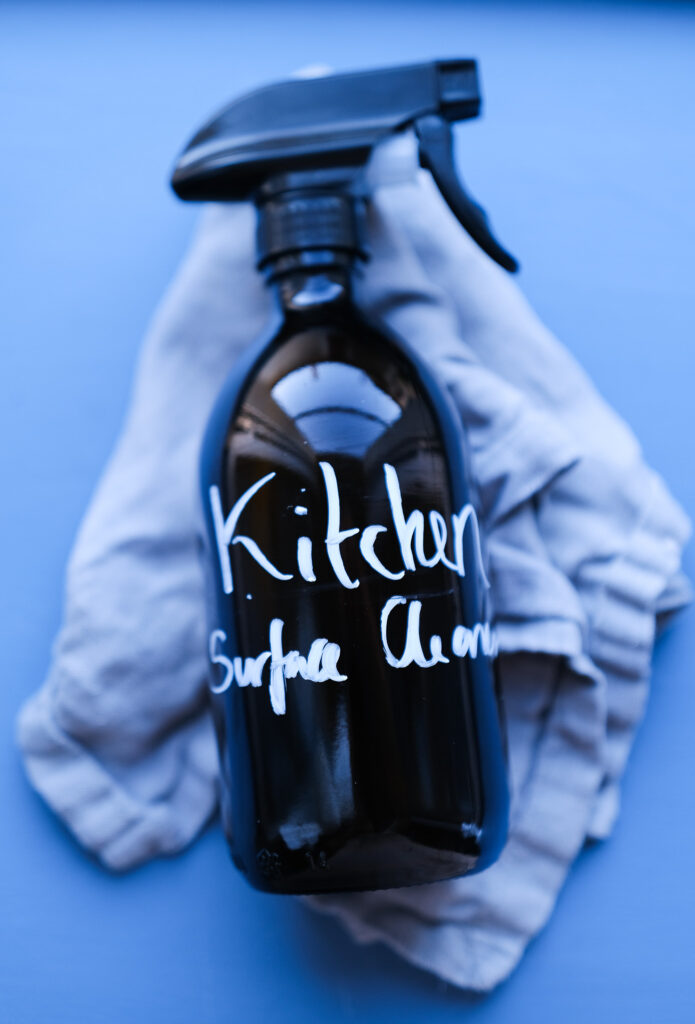
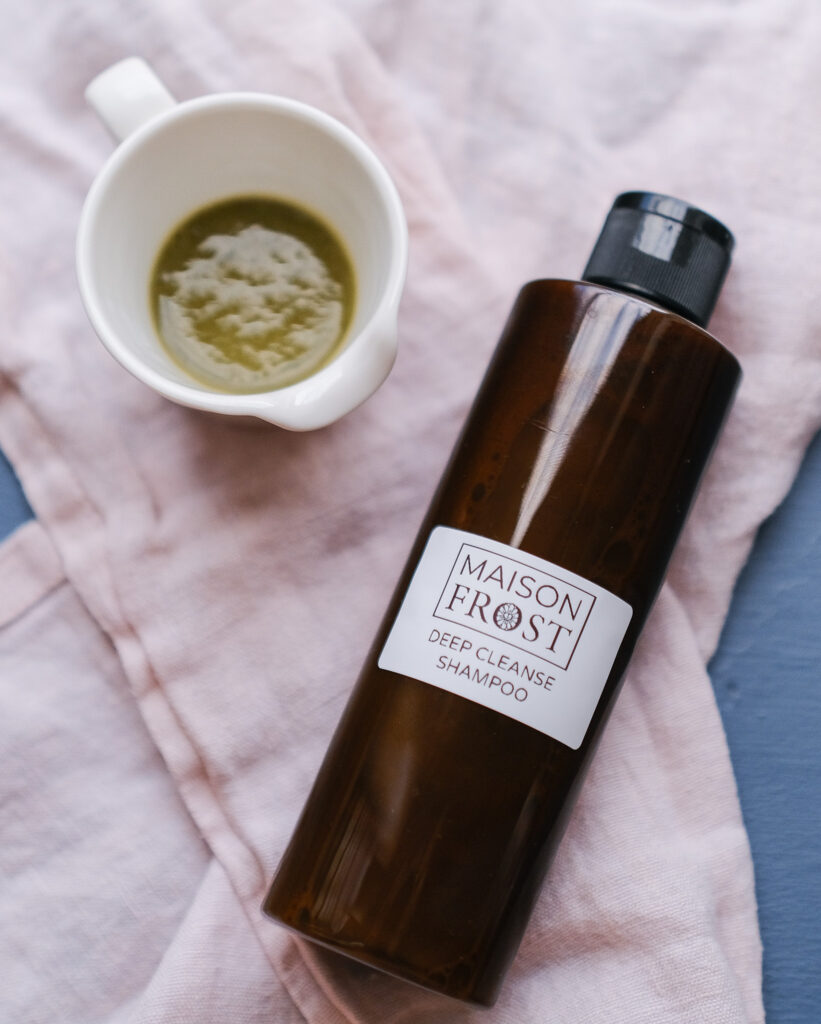
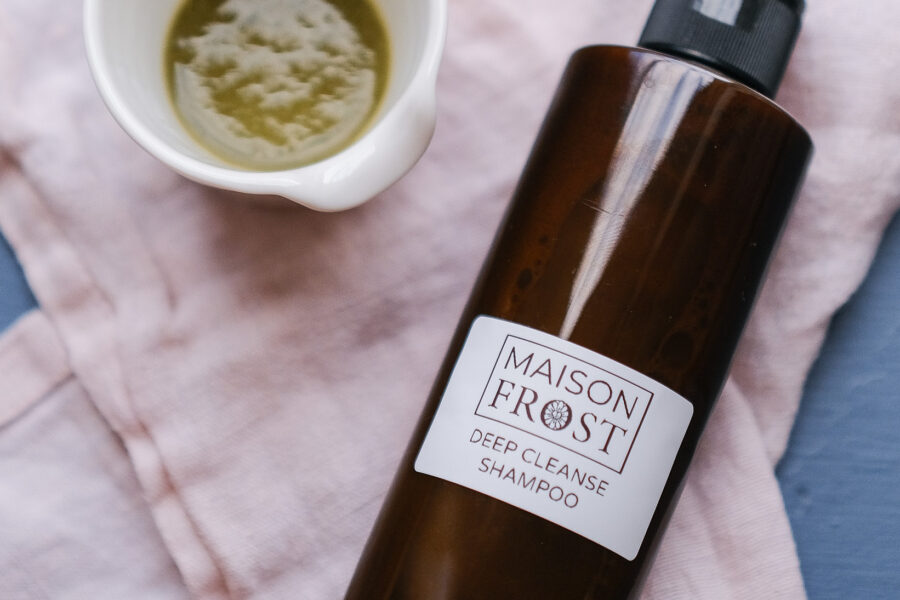
Among other things, I made my Kitchen Spray with Lemon Myrtle & Mandarin and Gentle Deep-Cleansing Shampoo (as you can see above), both of which are formulas I really love and use several times a week.
The most important thing when formulating with coconut glucoside is to understand just how little you actually need to use. Most of my products contain extremely small amounts of coconut glucoside, so the 2 liters I bought will last me a couple of years.
That's why making my own liquid shampoo is so rewarding — and the great thing is that I have over 25 years of product formulation experience to draw on.
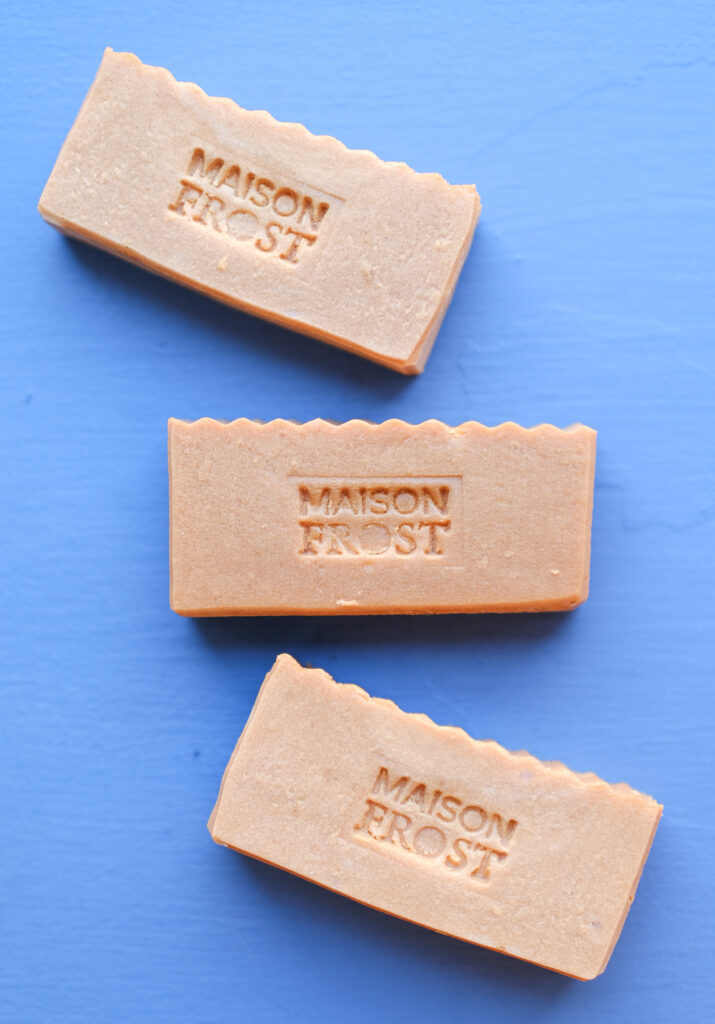
That led me to quickly create two shampoos that we use every three to five days. I also went back to the soap-making kitchen and made a very balanced, hot-process shampoo bar that both cleansed and nourished my hair.
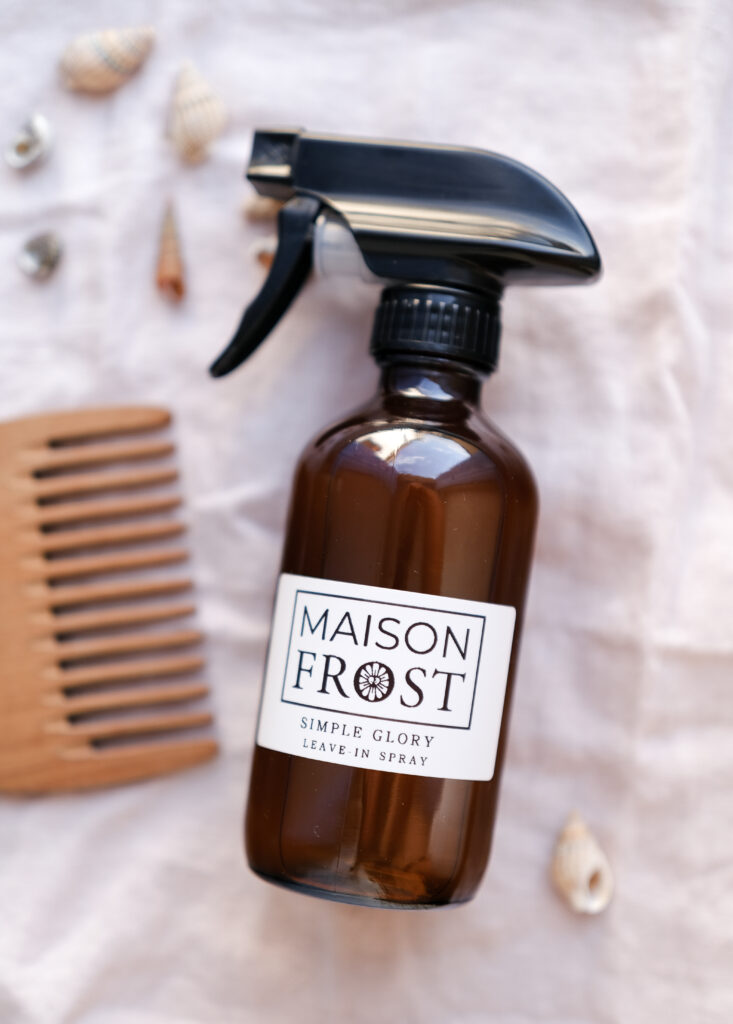
I formulated my “Simple Glory” Leave-in Spray, that made detangling my daughter's hair a breeze and gave it the protection it needs after washing.
So in about a month, I figured out a hair care routine I actually really love. I haven't had any issues with greasy or dry hair — instead, my hair has just kept getting more and more beautiful.
It might seem like a lot, but the idea is to alternate shampoos every three days—that way, you’ll achieve a really good balance not only on your scalp but also throughout the rest of your hair.
Below, I've outlined our 7-day hair care routine:
Sunday, Day 1. Hair Wash: I wash my hair with Gentle Deep-Cleansing Shampoo — scalp and lengths. After washing my hair, I rinse it with 500 ml (2 cups) of rice water mixed with half a pipette of silk drops. I let it sit for 5–10 minutes while I wash my body, then rinse it out with the coldest water the shower will go. When I get out, I use “Simple Glory” Leave-in Spray in my hair, then wrap it in a towel turban for 10 minutes. I gently comb through it with a boar-bristle brush and let it air-dry, then comb it through as in Guide to Natural Hair Brushing. After brushing, I spray again with “Simple Glory” Leave-in Spray and braids her hair.
Wednesday, Day 2: I wash my hair with my protein shampoo — scalp and lengths. After washing, I use a classic 5% conditioner solution: 25 ml (1 tbsp) apple cider vinegar in 475 ml (2 cups) demineralized water, plus half a pipette of silk drops. I usually make 500 ml (2 cups), which is plenty for both my daughter's and my own hair. I let it sit for 5–10 minutes while I wash my body, then rinse it out with the coldest water the shower will go. When I get out, I use “Simple Glory” Leave-in Spray in my hair, then wrap it in a towel turban for 10 minutes. I gently comb through it with a boar-bristle brush and let it air-dry, then comb it through as in Guide to Natural Hair Brushing. After brushing, I spray again with “Simple Glory” Leave-in Spray and braids her hair.
Saturday, the 3rd. Wash my hair with Gentle Deep-Cleansing Shampooo on the scalp and Pure Grace Shampoo Bar along the lengths. After washing my hair, I rinse it with a classic 5% conditioner rinse, made with 25 ml of apple cider vinegar in 475 ml of demineralized water and half a pipette of Silk Drops. I let the rinse sit for 5–10 minutes while I wash my body, then I rinse it out with the coldest water I have in the shower. When I get out of the shower, I use “Simple Glory” Leave-in Spray in my hair, then wrap it in a towel turban for 10 minutes. I gently comb through it with a boar-bristle brush and let it air-dry, then comb it through as in Guide to Natural Hair Brushing. After brushing, I spray again with “Simple Glory” Leave-in Spray and braids her hair.
I repeat this routine every 3–5 days, depending on how my scalp is feeling. I used to go no more than 10 days between washes, but I've found that washing every 3–5 days with my own shampoo suits my hair and scalp so much better. So I'm sticking with it.
When I follow this routine, my hair gets softer and more manageable. It became easier to comb through after just a few washes, which meant fewer split ends. Plus, of course, it's cleaner and super shiny. It looks healthier, and my split ends have been drastically reduced since we got back from our trip in mid-May. The same goes for our daughter's hair, which has become incredibly beautiful.

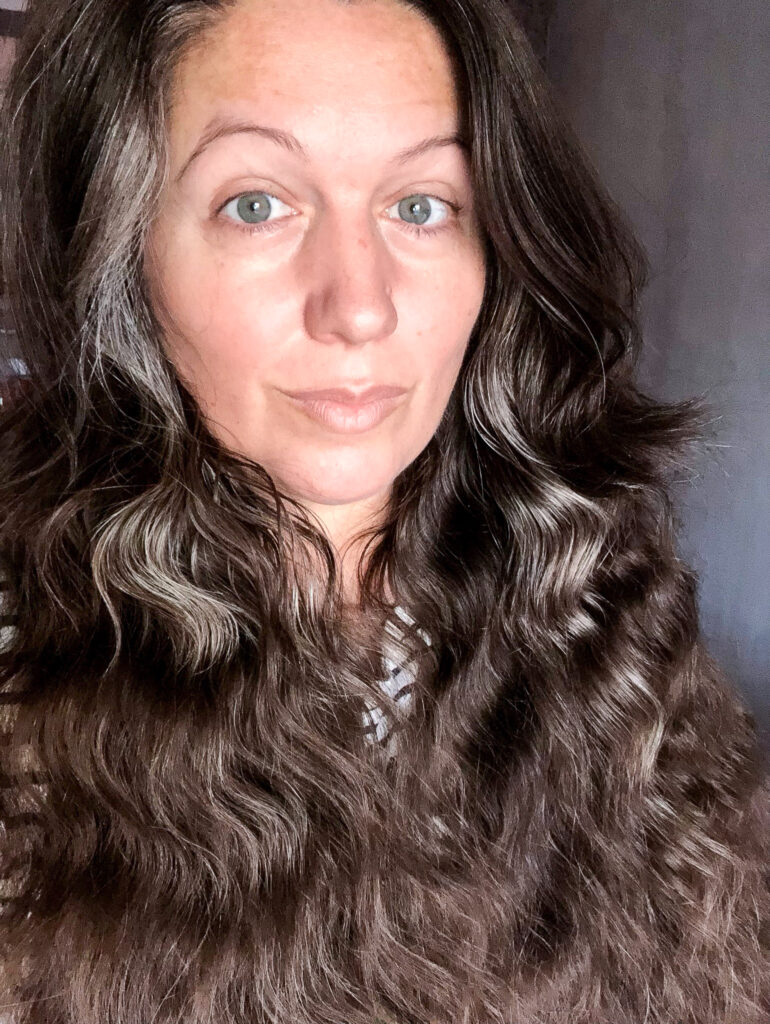

If you use “Simple Glory” Leave-in Spray If you braid your hair and sleep with it, you'll get incredibly beautiful, defined waves, as you can see above. Our daughter loves this, so I spray it in before styling her hair and on the braids themselves—these waves last for hours without needing any extra styling products, whether it's my hair or hers.
I'll be sharing the recipes for my protein shampoo and rice water rinse soon. If you need help finding any of the ingredients or have any other questions, just leave a comment below.
Have a blessed day!
Love

P.S. All posts on this blog are written and photographed by Belle Frost, no AI is used to generate content. Generate content; all copyrights belong to Maison Frost.




Leave a Reply